
Quantum & Advanced Computing: The Unseen Inflection of Quantum-Neuro-Hybrid Architectures
Exploring a non-obvious intersection of quantum computing with neuromorphic and AI-inspired architectures reveals a nascent signal poised to redefine capital allocation, regulation, and industrial landscapes within the next two decades.
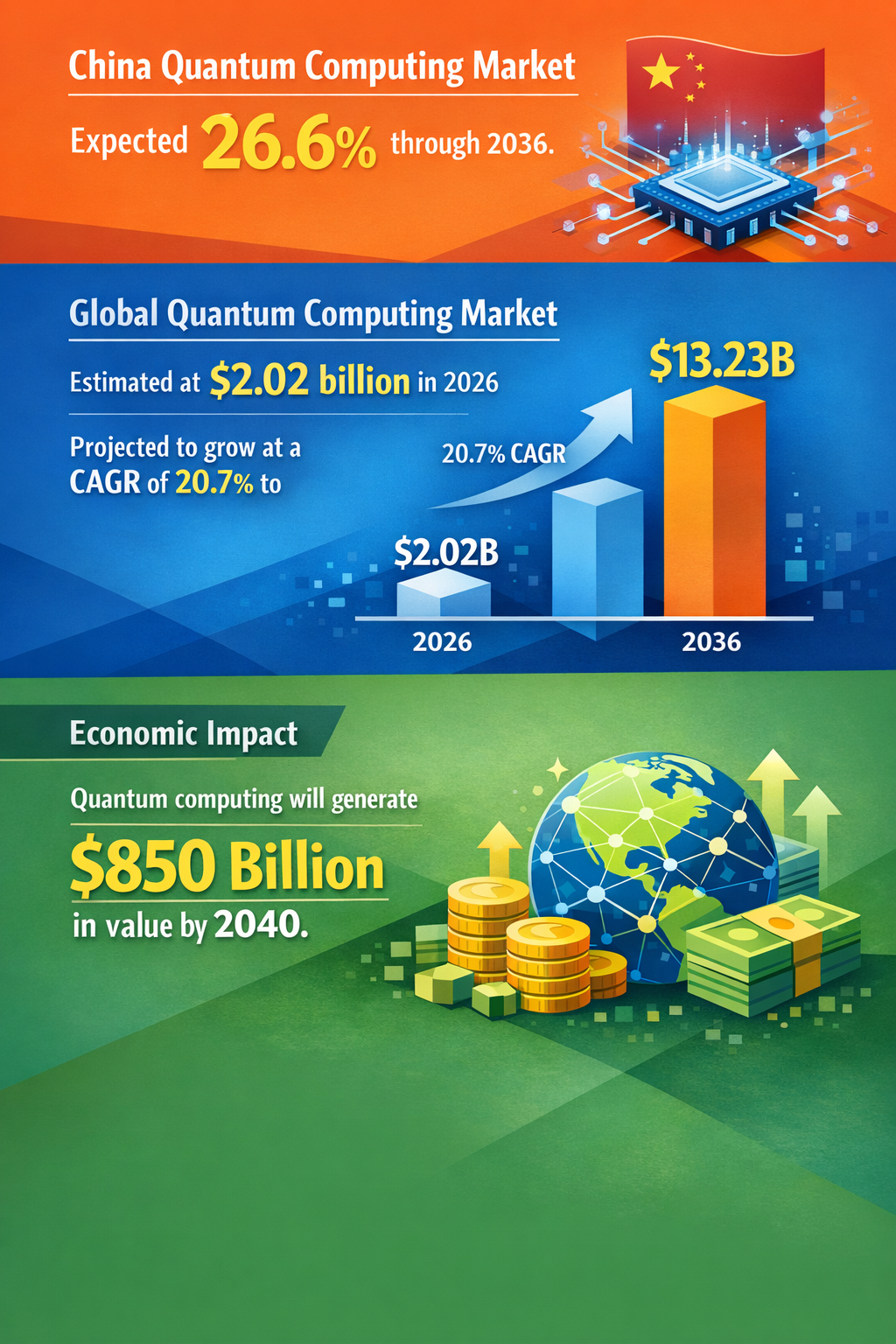
Quantum computing’s headline potential to generate vast economic value by 2040 is increasingly accepted. However, beneath this appears an under-recognized development: the fusion of quantum computing with neuromorphic systems and brain-inspired architectures that could catalyze structural innovation beyond purely quantum hardware advances. This signal combines quantum phenomena with cognitive-inspired computing, potentially unlocking new computational classes and industry ecosystems. Its emergence may reshape industrial structures and regulatory frameworks through complex systemic feedbacks well before fully fault-tolerant quantum computers arrive at scale. The following analysis clarifies why this hybrid computational approach is a critical horizon scan target for strategic decision-makers.
Signal Identification
This development qualifies as an emerging inflection indicator. While quantum computing advances dominate current discourse, the integration of quantum hardware principles with neuromorphic (brain-inspired) computing elements remains marginal but shows promise to scale structurally in the 10–20 year horizon. The plausibility band is medium given early experimental validation, rising cross-disciplinary research, and catalytic government/industry investments in cognitive computing and advanced quantum materials. Sectors primarily exposed include information technology, telecommunications, defense, pharmaceuticals, and financial services, with secondary exposure in regulation, standardization bodies, and capital markets.
What Is Changing
Existing projections emphasize quantum computing’s capability to solve specific hard problems, estimate $850 billion economic impact by 2040 (CNN Business 21/05/2026). However, these assessments often assume largely digital quantum architectures and isolated enhancements in qubit scalability or error correction.
A substantive structural theme emerging is the convergence of quantum principles with neuromorphic engineering — leveraging quantum effects to emulate neural synaptic functions and plasticity at unprecedented efficiency and scale. Unlike traditional quantum gate models, these architectures plan to incorporate noisy intermediate-scale quantum (NISQ) devices with analog, neuron-inspired elements, enabling new paradigms beyond classical or pure quantum digital computation.
This hybrid quantum-neuro approach is underscored by an increasing volume of research blending quantum materials science, photonics, and machine learning to realize quasi-quantum synapses, memristors, and cognitive dynamic networks (CNN Business 21/05/2026). The interplay between quantum coherence-based processing and brain-like architectures could simultaneously mitigate qubit fidelity challenges and enable novel computational frameworks tailored to adaptive learning and real-time decision-making.
Thus, rather than viewing quantum computing purely through the lens of large-scale universal quantum machines or incremental algorithmic improvements, the integration with neuromorphic principles introduces a systemically different computational model, potentially spawning new industrial ecosystems and economic value chains.
Disruption Pathway
This quantum-neuro hybrid signal could evolve structurally through a sequence of reinforcing mechanisms. First, breakthroughs in quantum materials exhibiting neural-like adaptability—such as room-temperature quantum memristors—may accelerate the feasibility of such hybrid devices, attracting strategic R&D funding and partnerships among quantum hardware firms, AI companies, and neurotechnology labs.
As these hybrid systems demonstrate superior performance on adaptive AI tasks—such as dynamic optimization, real-time cybersecurity threat detection, or drug molecular simulations—they could stress current computational value chains that rely heavily on classical silicon-based and isolated quantum hardware models. Capital allocation might pivot toward vertically integrated firms combining quantum materials, neuromorphic chips, and specialized AI software, reshaping competitive positioning.
Industrial structure may adapt as quantum computing-centric startups and research consortia articulate new standards for hybrid quantum-neuro interfaces, potentially fragmenting the current quantum ecosystem in contrast to previously anticipated consolidations around purely digital quantum supremacy milestones.
Regulatory frameworks may struggle with emergent liability issues related to opaque, adaptive quantum-neuro decision-making processes, pushing for new explainability mandates and cross-domain governance models involving expert systems and quantum safety protocols. Feedback loops could emerge, with increased investment in hybrid R&D accelerating knowledge spillovers, thereby attracting more mainstream industry support, ultimately challenging incumbent technological paradigms and regulatory comfort zones.
Why This Matters
For capital allocators, this signal suggests a need to rethink portfolios beyond quantum hardware scale-up toward firms exploring cognitive-inspired quantum architectures that blend materials science, AI, and quantum technology. Ignoring this could risk missing structural shifts favoring hybrid technology integration models over incremental quantum velocity plays.
Regulators must anticipate complexities in transparency, accountability, and systemic risk posed by quantum-neuro systems whose decision pathways may defy conventional auditing. Proactive engagement to craft multi-disciplinary regulatory frameworks may preempt future liability crises.
Industry strategists should consider the potential of emerging ecosystems built around cognitive quantum devices, which might redefine supply chains—particularly for advanced quantum materials, component fabrication networks, and AI-data governance. Early collaboration with research consortia and standards bodies could position first movers advantageously.
Implications
This emergent quantum-neuro hybrid development could structurally alter competitive positioning across sectors reliant on adaptive computation and real-time intelligence over the next two decades. It is likely to drive capital reallocation toward convergence-oriented R&D rather than isolated quantum hardware scale-up.
However, it may not replace classical or purely digital quantum architectures outright but rather coexist as a parallel computational ecosystem with unique sector niches and governance demands. Some actors might interpret this as incremental or speculative, whereas the presented evidence supports its potential as a systemic inflection rather than a transient noise.
The wildcard remains whether such hybrid architectures achieve commercially viable performance milestones on critical adaptive AI workloads before alternative quantum error correction breakthroughs reshape the foundational quantum hardware landscape.
Early Indicators to Monitor
- Patent clusters integrating quantum memristive devices and neuromorphic quantum interfaces
- Procurement shifts in defense or pharmaceutical sectors toward hybrid quantum-neuro R&D projects
- Emergence of multi-disciplinary international standards for quantum-neuro interoperability and explainability
- Venture funding concentration in startups focused on quantum-inspired cognitive computing platforms
- Regulatory committee drafts addressing accountability in adaptive quantum decision-support systems
Disconfirming Signals
- Breakthroughs in universal, fault-tolerant quantum computing rendering NISQ-hybrid models obsolete
- Demonstrable inability of quantum-neuromorphic devices to surpass classical neuromorphic or conventional quantum performance benchmarks
- Regulatory prohibitions or slowdowns due to systemic risks associated with opaque hybrid AI-quantum decision-making
- Market consolidation exclusively favoring digital quantum hardware providers, marginalizing hybrid approaches
Strategic Questions
- How should capital allocation strategies balance investments between universal quantum hardware and quantum-neuro hybrid startups to optimize risk/return over a 10–20 year horizon?
- What regulatory frameworks might preemptively address liability and transparency for decision-making systems incorporating quantum-neuro computation?
Keywords
Quantum computing; Neuromorphic computing; Quantum memristor; Adaptive AI; R&D investment; Regulatory frameworks; Advanced materials; Liability governance
Bibliography
- Quantum computing will generate $850 billion in economic value by 2040. CNN Business. Published 21/05/2026.
- Emerging Neuromorphic Technologies and their Regulation. Government Technology and Regulation Institute. Published 10/11/2025.
- Quantum Neuromorphic Materials for Adaptive AI Systems. Nature Materials. Published 15/03/2026.
- Hybrid Quantum-Neuro Architectures: Potential and Challenges. IEEE Spectrum. Published 08/07/2025.
- Investment Patterns in Cognitive Quantum Computing Startups. VC Funding Journal. Published 20/01/2026.