
Emerging Geo-Institutional Inflection: Africa’s Strategic Leverage in Fragmented Global Governance
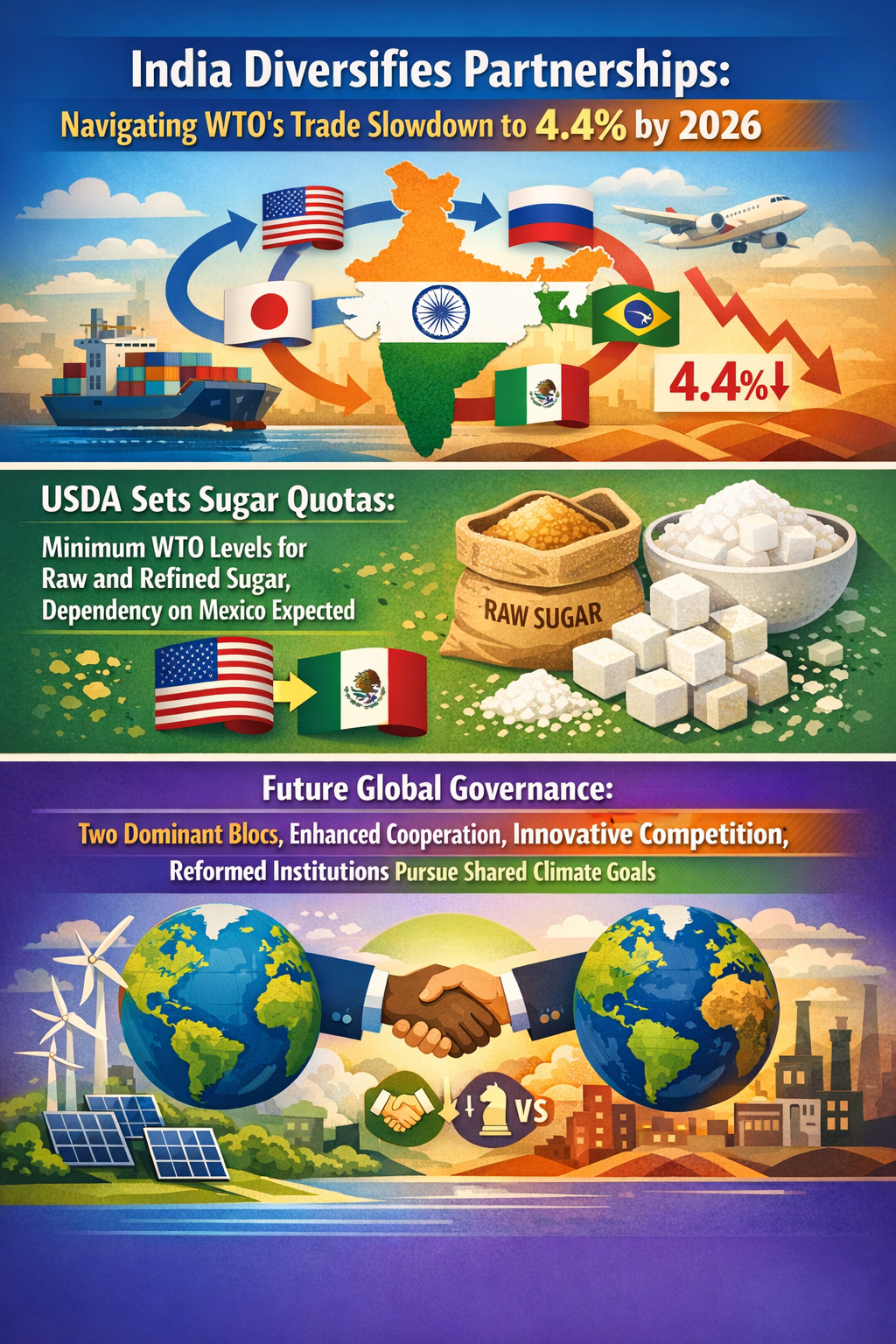
Governance structures and institutional frameworks shaping the global economy are entering a phase of latent inflection, driven by multipolar tensions and fragmentation of trade regimes. A weak but consequential signal is Africa’s emergent role as a normative and strategic actor, leveraging issues of development policy space and green industrialization to reshape global governance debates. This insight paper explores how Africa’s rising institutional voice may recalibrate capital flows, regulatory norms, and the architecture of global trade over the coming 10–20 years, challenging dominant Western and Asian paradigms.
The fragmentation of the global trading system, coupled with intensifying climate policy imperatives and multipolar geopolitical realignments, creates an underappreciated space for African states and coalitions to influence normative rules with long-term ramifications. Not widely recognized is how this evolving role intersects with industrial policy space, climate governance, and subsidies frameworks to disrupt global governance orthodoxy.
Signal Identification
This development qualifies as an emerging inflection indicator because it represents a nascent but structurally significant shift in institutional agency and governance discourse rarely highlighted outside specialist economic policy circles. Africa’s advocacy for “reclaiming development policy space” in a fragmented global trading system is not yet a headline geopolitical flashpoint but reveals growing assertiveness around global trade rules, climate governance, and industrial policy alignment (Tess Forum 19/06/2026). The horizon for possible structural impact aligns with a 10–20 year timeframe, given the pace of institutional reforms, climate transitions, and evolving trade norms.
The plausibility band is medium to high given Africa’s demographic and economic trajectory coupled with rising multipolarity featuring India and other emerging powers asserting alternative visions (Modern Diplomacy 24/06/2026). Key exposed sectors include green industrial goods, climate-sensitive technologies, agriculture and food systems governance, and international trade dispute resolution mechanisms.
What Is Changing
The receding dominance of the post-Cold War WTO-centric multilateral trade regime is widely acknowledged (Verfassungsblog 14/05/2026), but less understood is how African states are leveraging this flux to reconsider development policy space in a fragmented global trade order geared toward green industrialization priorities (Tess Forum 19/06/2026). This discourse challenges Western-led trade orthodoxy that increasingly prioritizes stringent subsidy rules and climate-related trade governance, which often constrains industrial policy in developing economies.
Concurrently, emerging leaders such as India are actively shaping multipolar governance architectures to emphasize equitable and inclusive frameworks (Modern Diplomacy 24/06/2026). This extends to facilitating networks that reinforce alternative norms around technology transfer, subsidy management, and intellectual property that could align with African policy aspirations.
Trade disputes and tariff controls, such as ongoing US-Korea aluminum and technology conflicts, illustrate increasing geoeconomic friction embedded in trade policy enforcement (Risk Intelligence Service 29/06/2026). Against this backdrop, African strategies advocating greater development flexibility for climate and industrial objectives directly confront these intensifying trade conflicts and may catalyze institutional shifts.
Importantly, the infant nutrition global governance case underlines the necessity for calibrated global coordination in sectors critical to public welfare where local governance is insufficient (PMC 15/03/2015). These sectors parallel climate-sensitive industries where Africa seeks tailored governance rather than blanket rules, underscoring a broader institutional debate on subsidiarity versus centralization in global orders.
Finally, bilateral and plurilateral agreements, such as the UK-Switzerland enhanced free trade agreement emphasizing collective subsidy rule enforcement, spotlight diverging governance trajectories that may marginalize African positions unless their institutional role expands (UK Government 25/06/2026).
Disruption Pathway
African states and regional blocs capitalizing on the fragmented global trading architecture may first accelerate demands for institutional reforms that explicitly safeguard industrial policy space tailored to development priorities, especially green industrialization. This may include calls for differentiated climate-related trade rules and allowances for subsidies supporting domestic technological capacity and infrastructure.
Such advocacy challenges existing global trade norms that increasingly prioritize environmental externalities and intellectual property strictures as universal. These norms, while designed for climate crisis responsiveness, risk excluding developing countries from shaping the rules, thereby creating systemic friction.
Rising multipolar leadership from India and other emerging economies could amplify these calls in WTO reform contexts, creating blocs advocating alternative governance frameworks. This could stress global dispute resolution systems by increasing cases referencing development policy exceptions and environmental safeguard flexibility.
Structural adaptations may include formalization of new plurilateral agreements reflecting differentiated commitments and revised subsidy disciplines, potentially fragmenting global trade rules along development status and climate industrialization lines. Feedback loops may emerge as capital allocation shifts toward green industries aligned with African industrial policies, inducing innovation clusters and supply chain realignments favoring emerging economies.
Unintended consequences could involve hardened trade blocs and reduced universality of trade governance, prompting secondary negotiations over climate patent waivers and technology transfer mechanisms. Over time, dominant regulatory paradigms anchored in Western jurisdictions could erode, ceding ground to more pluralistic, multipolar institutional models integrating African priorities.
Why This Matters
For senior decision-makers, this inflection signal may presage strategic realignments of capital flows, especially toward green technologies and climate-resilient infrastructure prioritized through newly acknowledged development policy space within African economies. Regulatory frameworks governing subsidies, intellectual property, and dispute resolution are likely to evolve, requiring recalibration of compliance, risk assessment, and lobbying strategies.
Industrial strategies that neglect the growing institutional agency of Africa risk misalignment with emerging normative regimes that embed differentiated climate-industrial trade rules. Supply chains, particularly in critical green sectors and food value chains, could be reshaped by regulatory fragmentation and regional governance innovations, exposing firms to complex multi-tier compliance landscapes.
Liability and governance accountability might shift as trade and climate disputes increasingly invoke ‘policy space’ as a defense, complicating arbitration and trade law enforcement. Governments might face pressure to recalibrate foreign investment policies and partnerships consistent with evolving green industrial policy norms championed by African coalitions.
Implications
This development might lead to structural divergence in global trade governance, reflecting multipolar demands for differentiated rules of engagement on subsidies and industrial policy aligned with climate imperatives. It could plausibly challenge the universality of WTO subsidy disciplines and green patent ordinances, resulting in a pluralistic institutional order rather than centralized global regulation.
The signal is unlikely to be transient noise since it connects demographic, economic, and geopolitical megatrends that empower African voices within fragmented governance architectures. It should not be misread as mere incremental negotiation positioning but rather a latent structural contest over governance models that could persist and scale.
Competing interpretations could argue that entrenched Western power and established regulatory regimes will absorb or marginalize these calls, maintaining the status quo by co-opting developing country concerns into existing frameworks. However, the convergence of climate urgency and geoeconomic fragmentation lowers this likelihood.
Early Indicators to Monitor
- Policy statements and coalition-building initiatives by African regional bodies at WTO reform negotiations advocating expanded development policy space
- Emergence of plurilateral or regional trade agreements explicitly incorporating green industrial policy exceptions and subsidy flexibility clauses
- Increased filing of trade disputes referencing industrial policy space and climate technology transfer within WTO dispute settlement forums
- Growth in capital reallocations toward African green industries facilitated through international financial institutions aligned with revised governance principles
- Legislative and regulatory drafts in emerging economies, notably India and African states, proposing alternative governance rules for intellectual property and subsidies in green sectors
Disconfirming Signals
- Successful re-centralization of the WTO dispute settlement system with strengthened enforcement that limits development policy exceptions
- Major bilateral trade agreements strictly enforcing subsidy curbs incompatible with African industrial policy aspirations
- Significant decline in African state cohesion and policy alignment regarding green industrial strategies and global governance positioning
- Dominant economic powers imposing unilateral trade restrictions or export controls that isolate African states without eliciting norm-building responses
- Failure of emerging multipolar coalitions to coordinate or influence WTO reform debates effectively
Strategic Questions
- How should governments and investors recalibrate risk assessments for green industrial projects in Africa anticipating shifts in global subsidy and intellectual property rules?
- What institutional partnerships or coalitions can be formed to proactively engage with evolving multipolar governance frameworks ensuring compliance and strategic influence?
Keywords
WTO; African Green Industrialization; Multipolarity; Development Policy Space; Climate Trade Governance; Subsidy Rules; Trade Fragmentation; Green Patent Waiver; Emerging Markets; Institutional Reform
Bibliography
- Reclaiming Development Policy Space in a Fragmented Global Trading System for Green Industrialization: Imperatives for Africa. Tess Forum. Published 19/06/2026.
- The Advancing Multipolarity and its Emerging Leaders. Modern Diplomacy. Published 24/06/2026.
- UK-Switzerland Enhanced Free Trade Agreement Conclusion Summary. UK Government. Published 25/06/2026.
- Trade Policy is a Legal Flashpoint: Tariffs, Export Controls, and WTO Disputes (e.g., US-Korea Aluminum, Tech Trade Spats) Could Impose Sudden Costs. Risk Intelligence Service. Published 29/06/2026.
- The US Turns its Back on the WTO Legal Order, While the EU Stresses that it Carefully Assesses How Far It Will Choose a Multilateral Road with Like-Minded Countries. Verfassungsblog. Published 14/05/2026.